Installing a fence might seem straightforward, but fence height rules can quickly complicate the process. What you’re allowed to build often depends on where the fence is placed, the type of fence you choose, and local regulations that aren’t always obvious at first glance. Understanding these rules early can help you avoid delays, redesigns, or unexpected issues once installation begins. In this blog, we’ll break down fence height rules and regulations so you can move forward with confidence and plan a fence that works for your property and your goals.
Why Fence Height Regulations Matter
Fence height regulations exist for several important reasons. From a safety standpoint, taller fences in front yards can block visibility for drivers and pedestrians, increasing the risk of accidents. Cities and municipalities also use height limits to preserve neighborhood appearance and maintain consistent sightlines throughout residential areas.
Another major reason for fence height rules is to reduce property line disputes. When fences are built too tall or too close to neighboring properties, conflicts can arise quickly. Following local regulations helps protect homeowners from complaints, fines, or legal issues and ensures your fence enhances your property instead of creating problems.
Common Residential Fence Height Limits
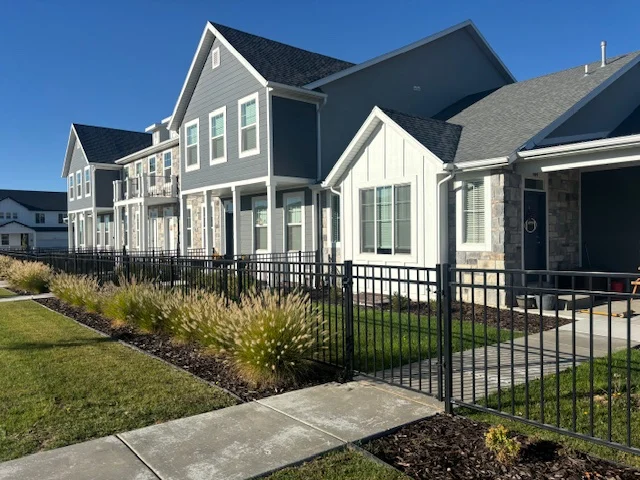
While exact limits vary by city and zoning, many residential areas follow similar general guidelines. Front yard fences are often limited to shorter heights, typically around three to four feet. This allows for decorative fencing while maintaining visibility from the street.

Backyard and side yard fences usually allow for more height, commonly up to six feet. These areas are better suited for privacy fencing and noise reduction. However, corner lots and properties near sidewalks may have additional restrictions to protect visibility at intersections. Because rules can differ even within the same city, checking local codes before installation is essential.
Fence Height Rules by Fence Type
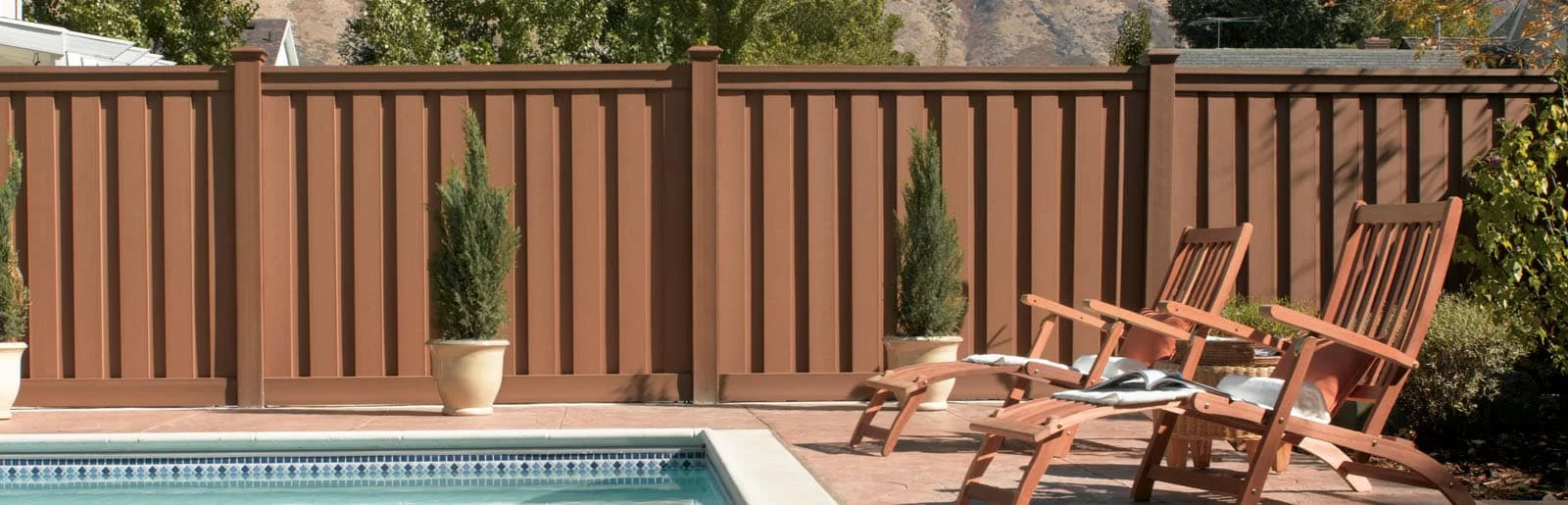
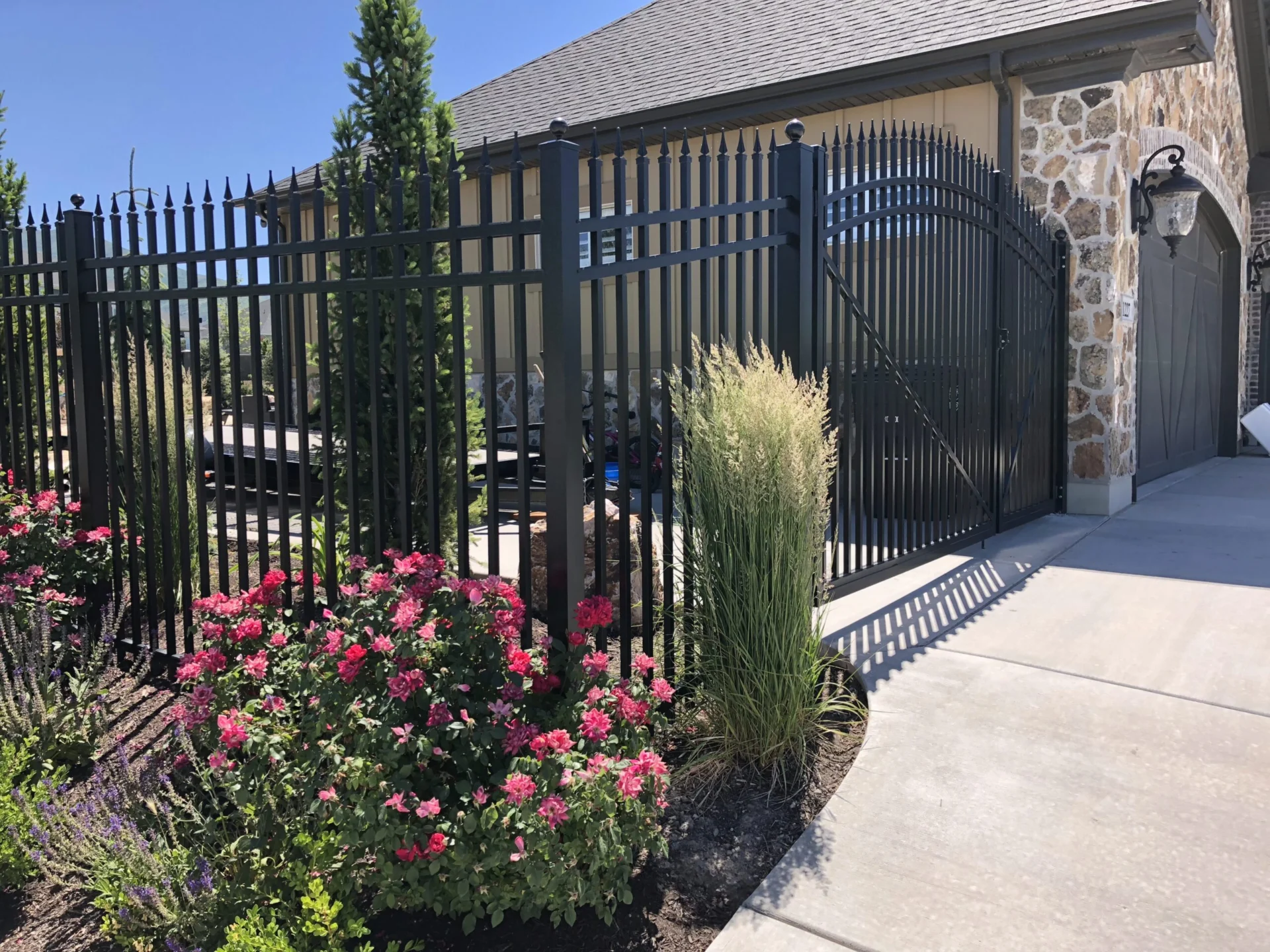
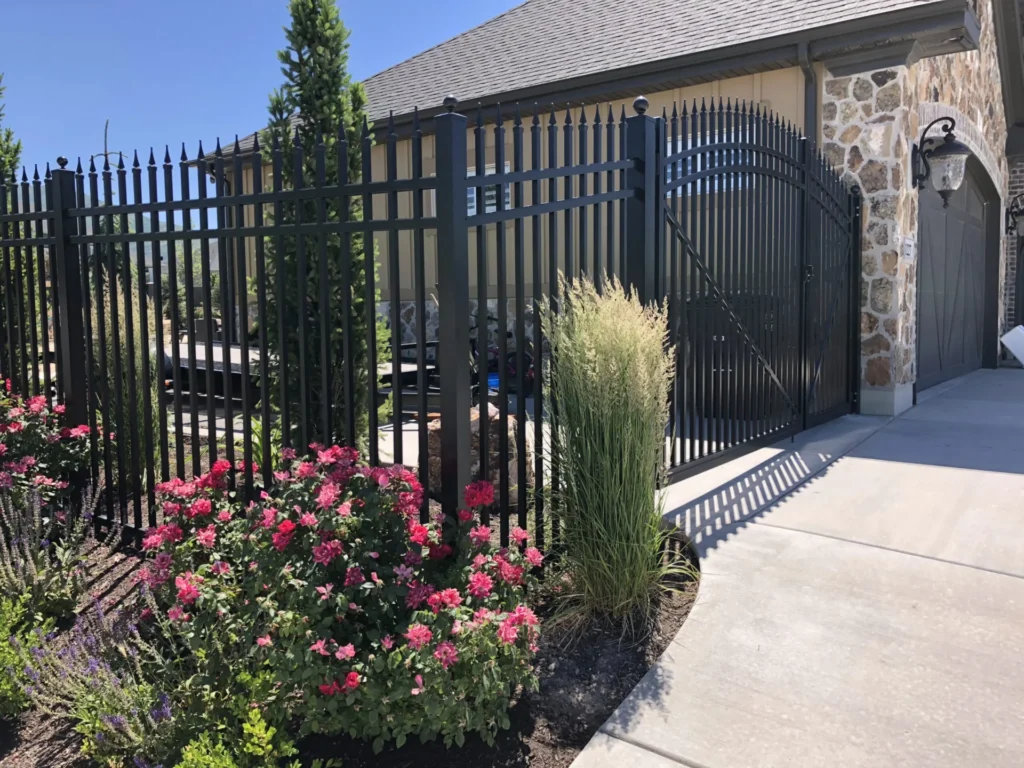
Different fence styles may be subject to different height allowances. Privacy fences made from wood or vinyl often reach the maximum allowed height for backyards to provide seclusion and security. Decorative fences, such as picket or ornamental metal fencing, are often shorter and commonly used in front yards.
Chain link and metal fences may have height limits based on visibility and safety concerns. Pool fencing is another category with specific requirements, often governed by safety codes rather than standard zoning rules. Pool fences usually have minimum height requirements and gate regulations to protect children and prevent accidents.
HOA and Community-Specific Restrictions
If your property is part of a homeowners association, HOA rules may be more restrictive than city regulations. HOAs often enforce limits on fence height, color, style, and materials to maintain a uniform appearance throughout the community.
Before installing a fence, homeowners should review HOA guidelines and obtain written approval if required. Failing to follow HOA rules can result in fines or demands to remove or modify the fence, even if it meets city codes. Working with a knowledgeable fencing contractor can help ensure your design complies with both sets of requirements.

Permit Requirements for Fence Installation
In many areas, a fence permit is required before installation begins. Permits help ensure fences meet height limits, setback requirements, and safety standards. The permit process typically involves submitting a site plan that shows fence placement, height, and materials.
While permits may seem like an extra step, skipping them can lead to costly consequences. If a fence is built without approval, homeowners may be required to tear it down or make changes after installation. Bronco Fence helps homeowners understand permit requirements and ensures projects are completed in compliance with local regulations.
Consequences of Not Following Fence Height Rules
Ignoring fence height regulations can lead to more than just minor inconvenience. Homeowners may face fines, formal complaints, or legal action from neighbors or local authorities. In some cases, fences that exceed height limits must be partially removed or rebuilt, resulting in added expenses and frustration.
Non-compliant fencing can also affect property value and complicate future home sales. Buyers and inspectors often flag unpermitted or improperly built fences, which can delay or derail a transaction.
How Bronco Fence Helps You Stay Compliant
Bronco Fence understands how confusing fence height rules can be. Our team stays familiar with local regulations, HOA guidelines, and zoning requirements to help homeowners choose fencing options that meet both their needs and the rules.
From recommending appropriate fence heights to handling installation details correctly, we focus on making the process smooth and stress-free. Whether you’re installing a decorative front yard fence or a full privacy fence, Bronco Fence ensures your project is built right the first time. If you’re planning a fence and want expert guidance from start to finish, Bronco Fence is here to help. Contact our team today to discuss your project and get a fence that fits your property, and the rules, perfectly.