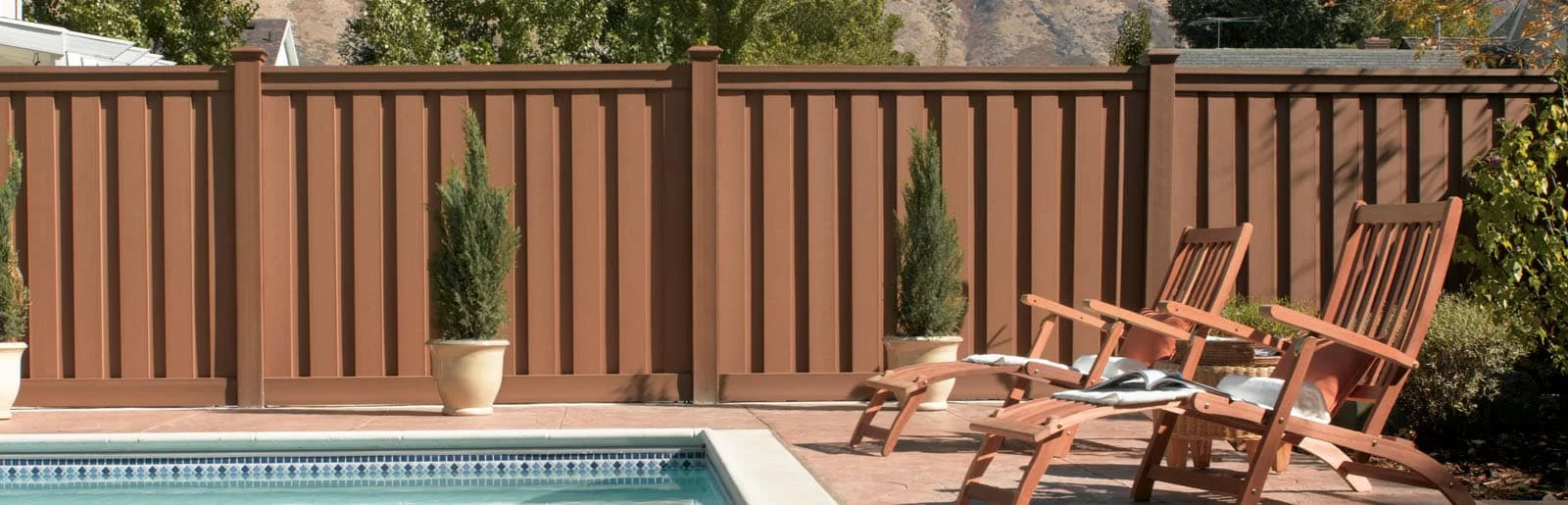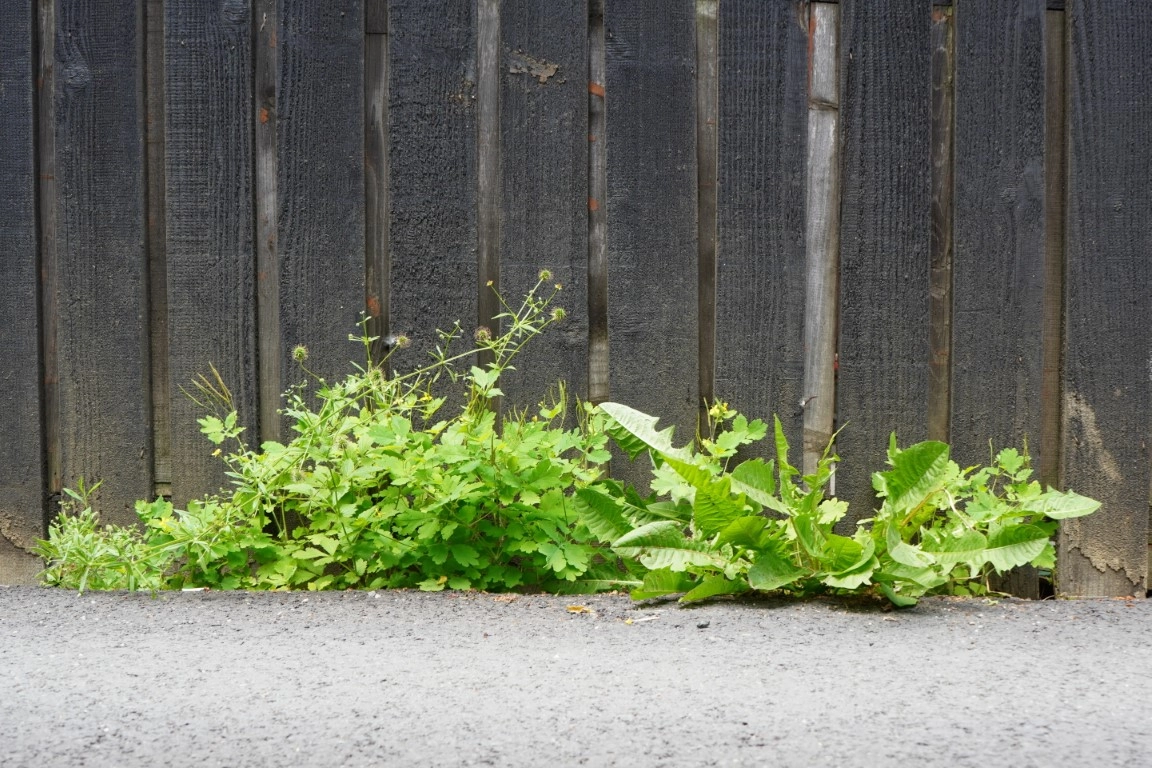
Installing a fence can improve privacy, security, and curb appeal, but in many neighborhoods, it is not as simple as choosing a style and starting construction. Homeowners Associations (HOAs) often have detailed rules that govern what types of fences are allowed. These guidelines are designed to maintain a consistent look throughout the community and protect property values.
Failing to follow HOA requirements can lead to fines, delays, or even being required to remove or modify the fence after installation. That is why understanding what makes a fence HOA-compliant is essential before beginning any project. Bronco Fence helps homeowners navigate these requirements to ensure fences meet both personal preferences and community standards.
Common HOA Fence Requirements
Approved Materials
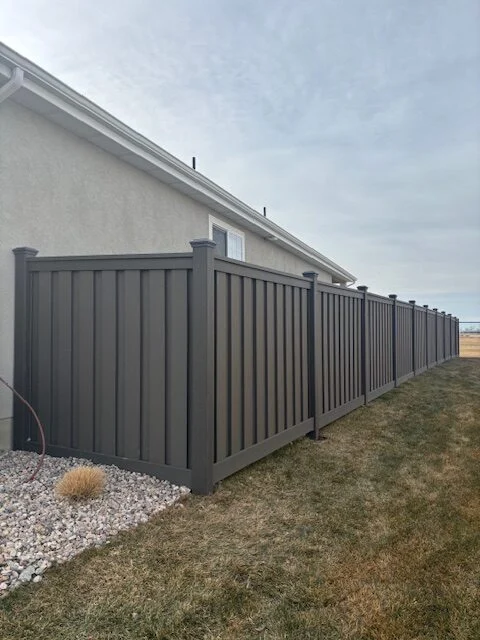
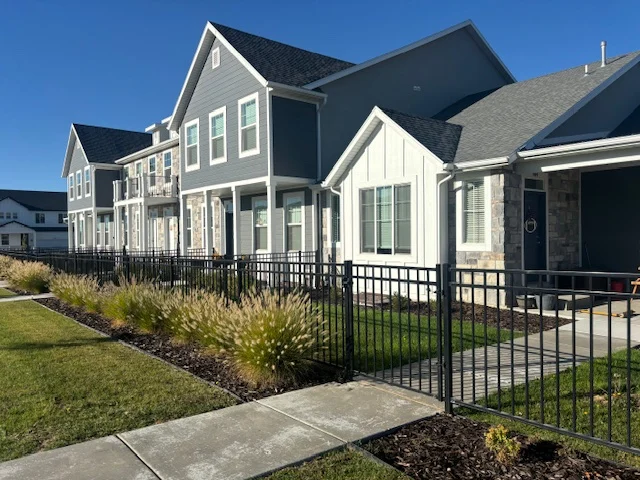
Most HOAs specify which materials can be used for fencing. Commonly approved options include wood, vinyl, composite, and ornamental metal such as wrought iron. These materials are chosen because they provide durability and a consistent appearance.
Some HOAs restrict or completely prohibit certain materials, such as chain link, due to their industrial look. Others may require specific grades or finishes to ensure long-term performance and visual appeal. Choosing the right material from the beginning is an important step in meeting HOA expectations.
Height Restrictions
Height is another major factor in HOA compliance. Many associations have different height limits depending on where the fence is located on the property. For example, front yard fences are often shorter to maintain visibility and openness, while backyard fences may be taller to provide privacy.
Typical height limits range from four to six feet, but this can vary depending on the neighborhood. Exceeding these limits, even by a small amount, can result in non-compliance.
Style and Design Standards
HOAs often require a consistent style of fencing throughout the community. This may include specific design elements such as picket spacing, panel styles, or post caps. Decorative features may also be limited to maintain a uniform look.
Color is another important consideration. Some HOAs require fences to be painted or stained in approved colors, while others may restrict finishes that appear too bold or out of place. These design standards help create a cohesive and visually appealing neighborhood.
Placement and Property Lines
Proper fence placement is essential for both compliance and avoiding disputes with neighbors. HOAs typically require fences to be installed within property boundaries and may include setback requirements from sidewalks, streets, or adjacent properties.
In some cases, a property survey may be needed to confirm boundaries before installation. Installing a fence in the wrong location can lead to costly corrections and potential conflicts.
HOA Approval Process
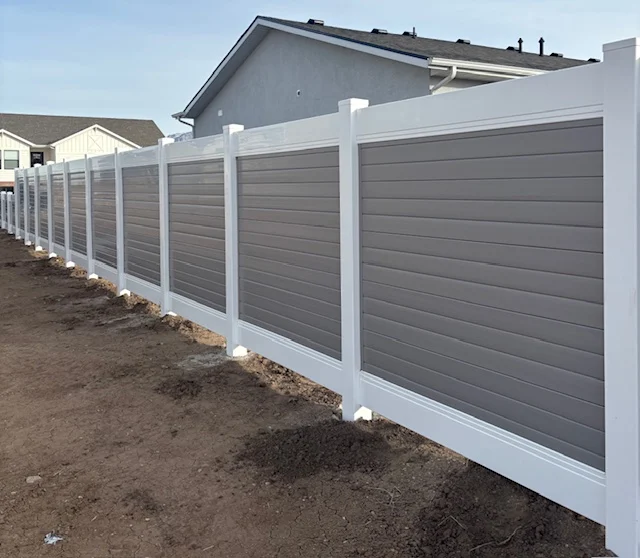
- Submitting Plans: Before construction begins, most HOAs require homeowners to submit detailed plans for approval. These plans usually include the fence design, materials, height, color, and location on the property.
- Review Timeline: HOA review timelines can vary. Some associations respond within a few days, while others may take several weeks.
- Importance of Written Approval: Receiving written approval from the HOA is critical. Verbal approval or assumptions can lead to issues later if questions arise. Having documentation ensures that the project has been reviewed and approved according to the established guidelines.
How Bronco Fence Helps Ensure Compliance
Navigating HOA requirements can feel overwhelming, especially for homeowners unfamiliar with the process. Bronco Fence brings experience working with HOA communities and understands the common rules and expectations involved.
Our team can help homeowners select materials, styles, and designs that align with HOA guidelines while still reflecting personal preferences. This balance ensures that the final result meets both functional needs and community standards.
Professional installation also plays a key role in compliance. Bronco Fence ensures that fences are built to the correct height, placed accurately within property lines, and constructed with quality craftsmanship. This reduces the risk of errors that could lead to compliance issues.
Tips for Homeowners Planning a Fence
Planning ahead is one of the best ways to ensure a smooth process. Homeowners should start by reviewing their HOA guidelines in detail and identifying any restrictions that apply. Communicating with the HOA early can help clarify requirements and prevent misunderstandings.
Working with an experienced fencing company can also simplify the process. Professionals can provide guidance on design choices, handle technical details, and help ensure that all requirements are met. Keeping copies of approvals and documentation is another important step for future reference.
Build With Bronco Fence
An HOA-compliant fence is about more than following rules. It is about creating a structure that fits seamlessly within the community while meeting your needs for privacy, security, and style. By understanding HOA requirements and planning carefully, homeowners can avoid unnecessary challenges and enjoy a smooth installation process.
With the support of Bronco Fence, building a compliant fence becomes much more manageable. Our expertise and attention to detail help ensure that every project meets the necessary standards, allowing homeowners to move forward with confidence and peace of mind.
Contact us today to get an estimate.