When choosing a fence for your property, appearance and privacy are often the first factors people consider. However, in areas that experience frequent strong winds, durability and structural design are just as important. High winds place significant pressure on fences, and the wrong style or installation method can lead to serious problems.
Homeowners who choose wind-resistant designs can protect their investment and avoid costly repairs. Working with experienced professionals such as Bronco Fence can help ensure that your fence is designed and installed to withstand challenging weather conditions.
How Wind Affects Fences
Wind places constant pressure on outdoor structures, and fences are particularly vulnerable because of their height and exposure. Solid fences tend to catch the wind much like a sail, which increases the force applied to the fence posts and panels. When this pressure becomes too strong, it can cause posts to shift, boards to loosen, or entire sections of fencing to fail.
Over time, even moderate winds can weaken fences that were not designed with airflow in mind. Repeated stress can gradually loosen hardware, warp materials, or cause leaning. In extreme weather events, poorly installed fences are often among the first outdoor structures to sustain damage.
This is why both the design of the fence and the quality of the installation are critical. Fences that allow wind to pass through and are supported by properly installed posts are far more likely to withstand strong conditions.
Key Features of Wind-Resistant Fencing
- Airflow Through the Fence
One of the most important features of a wind-resistant fence is airflow. Fences that include spacing between boards, slats, or wire allow wind to pass through rather than building up pressure. This significantly reduces the stress placed on the structure.
- Strong Posts and Secure Installation
Fence posts provide the structural support for the entire system. Posts that are set deep in the ground and anchored in concrete provide far greater stability than shallow installations. Proper spacing and alignment also help distribute wind pressure evenly.
- Durable Materials
The material used for a fence also affects its performance in windy environments. Strong materials that resist warping, cracking, or corrosion are better suited for long-term durability. Choosing quality materials ensures that the fence remains stable even after years of exposure to weather.
Best Fence Types for Windy Areas
Chain Link Fencing
Chain link fencing is one of the most wind-resistant options available. Because the design is open and flexible, wind passes through the fence with minimal resistance. This prevents the buildup of pressure that can damage other fence styles. Chain link fences are also durable, low maintenance, and practical for many residential or commercial properties.
Vinyl Fencing with Open Designs
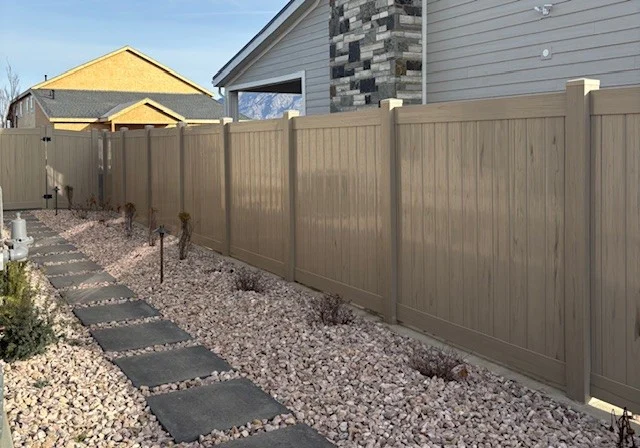
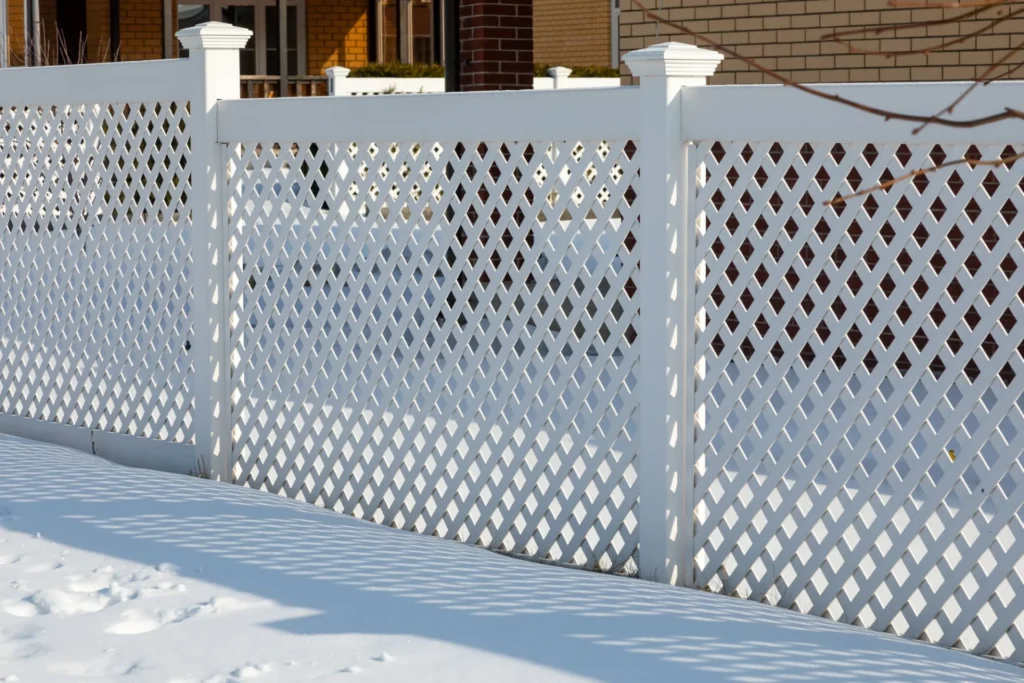
Vinyl fencing can perform well in windy areas when it is designed with airflow in mind. Styles that include gaps between slats allow wind to pass through while still providing structure and visual appeal. Vinyl also resists moisture, rot, and insect damage, making it a durable option for many climates.
Post and Rail Fencing
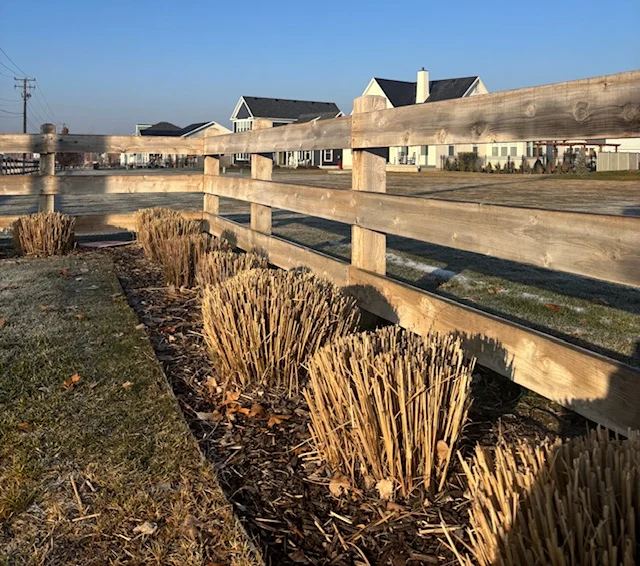
Post and rail fences are commonly used on larger properties, farms, or rural homes. Their open design significantly reduces wind resistance, making them naturally suited for windy environments. While they may not provide full privacy, they offer durability and a classic appearance.
Fence Types That May Struggle in High Winds
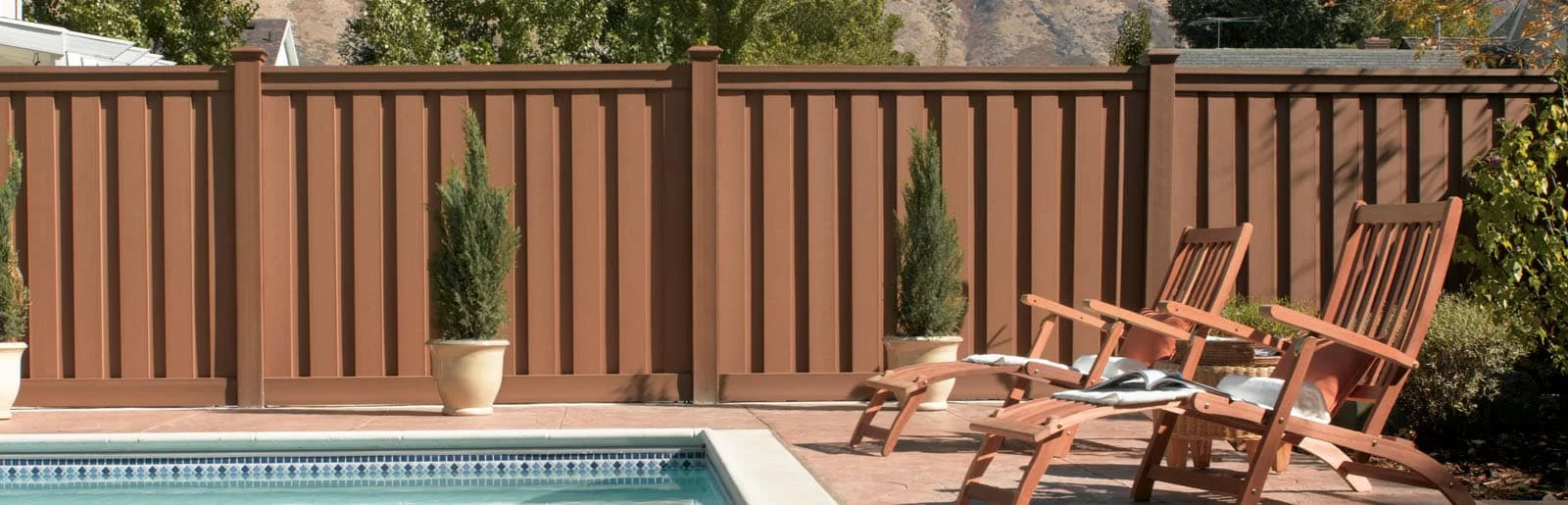
Certain fence styles are more vulnerable to wind damage, especially if they are not reinforced or properly installed. Solid privacy fences without gaps can catch strong gusts and place excessive strain on posts and panels. Lightweight materials or poorly secured boards may also weaken quickly under repeated wind exposure.
However, it is important to note that even these fence types can perform well when installed with proper support. Reinforced posts, deeper foundations, and strategic spacing can significantly improve the durability of many fence styles.
Additional Tips for Protecting Fences in Windy Areas
In addition to choosing the right fence style, there are several steps homeowners can take to improve durability. Using thicker posts and high-quality hardware can provide added strength. Posts should always be set deep enough in concrete to prevent shifting over time.
Regular maintenance is also important. Periodic inspections allow you to identify loose boards, rusting hardware, or leaning posts before they become serious problems. Keeping nearby trees trimmed can also reduce the risk of branches damaging your fence during storms.

Choose a Fence Built to Handle the Wind
Selecting the right fence for a windy area requires careful planning and professional expertise. Designs that allow airflow, durable materials, and proper installation all play an important role in ensuring long-term performance. By choosing a fence that is built to handle challenging weather conditions, homeowners can protect their property and avoid frequent repairs.
If you are considering a new fence or want to replace one that has been damaged by wind, the experienced team at Bronco Fence can help. Our professionals can evaluate your property, recommend wind-resistant fencing options, and provide expert installation. Contact Bronco Fence today to schedule a consultation and find the right fence solution for your home.