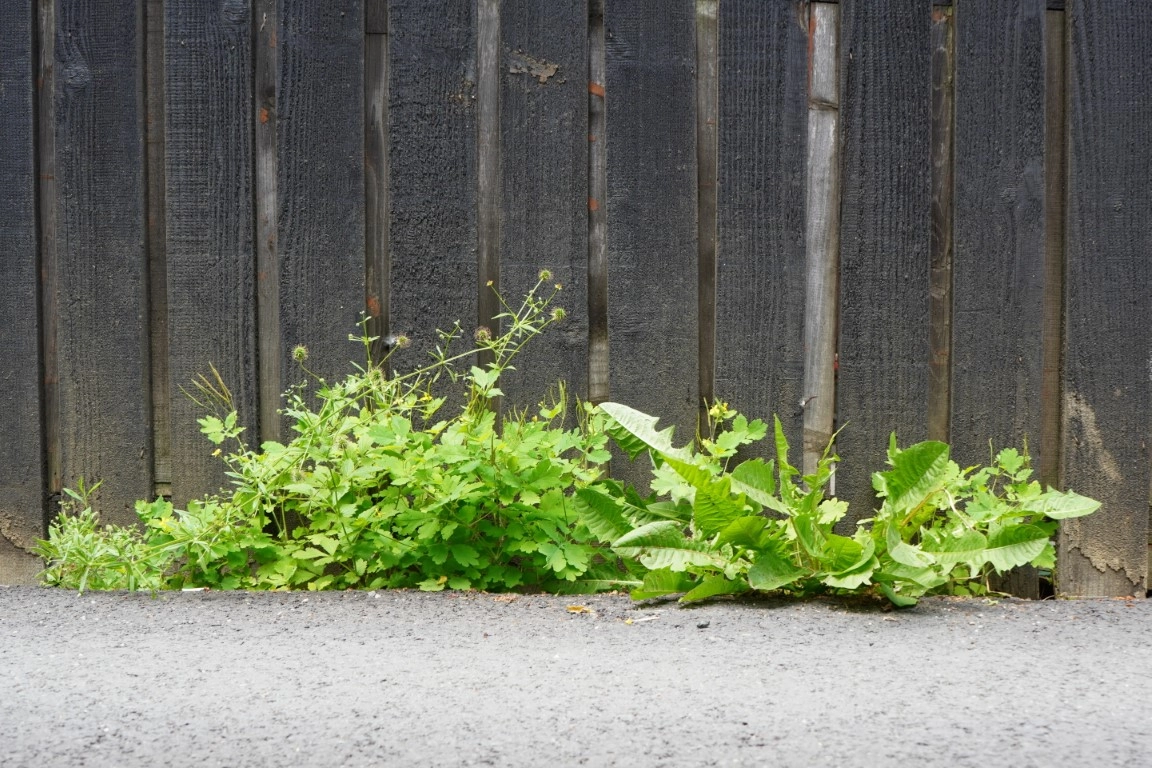
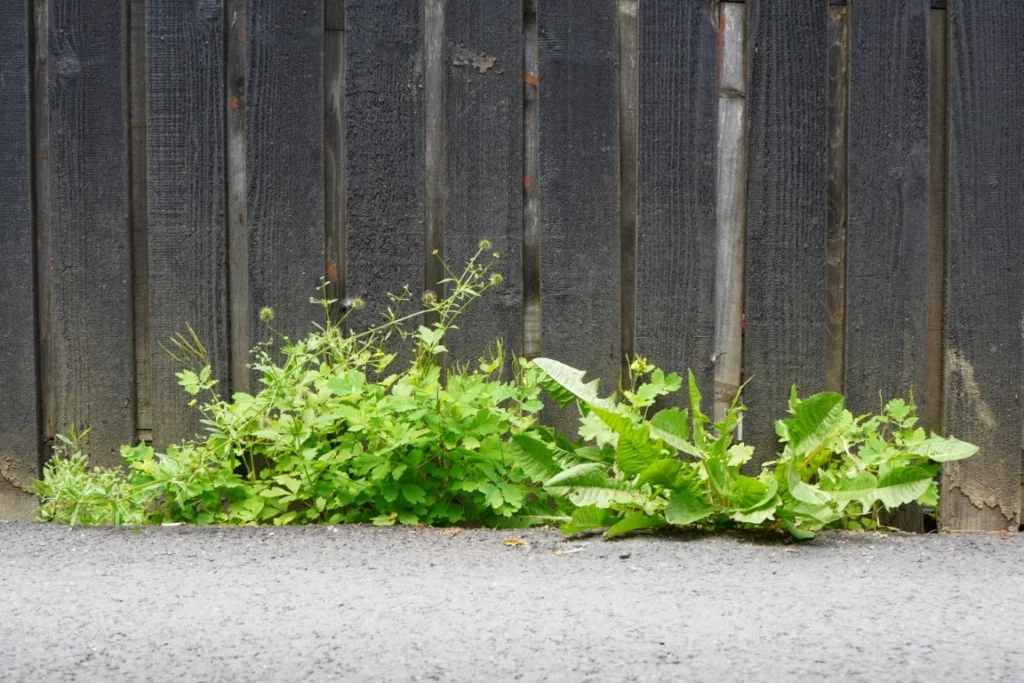
As a homeowner, you spend a lot of time and energy taking care of your landscaping, from mowing the grass to pulling weeds to pruning bushes. However, stubborn weeds and overgrown grass along the fence line can bring your property’s appearance down, no matter how great the rest of it looks.
In addition to affecting aesthetics, vegetation can trap moisture against the wood of the fence, interfere with fence maintenance, and make mowing more difficult.
If you’re frustrated with stubborn weeds and long grass constantly taking over your fence line, keep reading to learn expert strategies for keeping your fence line clean with less ongoing work.
Why Controlling Vegetation Around Your Fence Matters
A few weeds or some long grass against your fence line may not seem like a big deal, but it can be more destructive than you may realize. When vegetation constantly rests against your wooden fence, it traps moisture that can contribute to wood rot and mildew. It also creates hiding places for destructive insects and rodents and makes it harder to inspect your fence for damage and loose boards.
When you make an effort to keep plants from growing along your fence line, you don’t just improve your property’s curb appeal — you can preserve your fence, prevent damage, and reduce the likelihood of costly repairs or replacement.
Start With Proper Fence Line Preparation
Pulling weeds and long grass along the fence line is difficult and labor-intensive. However, lawnmowers can’t reach vegetation so close to the fence, which is why many homeowners opt for edgers or weed eaters. The problem with these tools is that they can easily damage your fence — plus, they don’t prevent plants from growing back, which means you have to cut them over and over again.
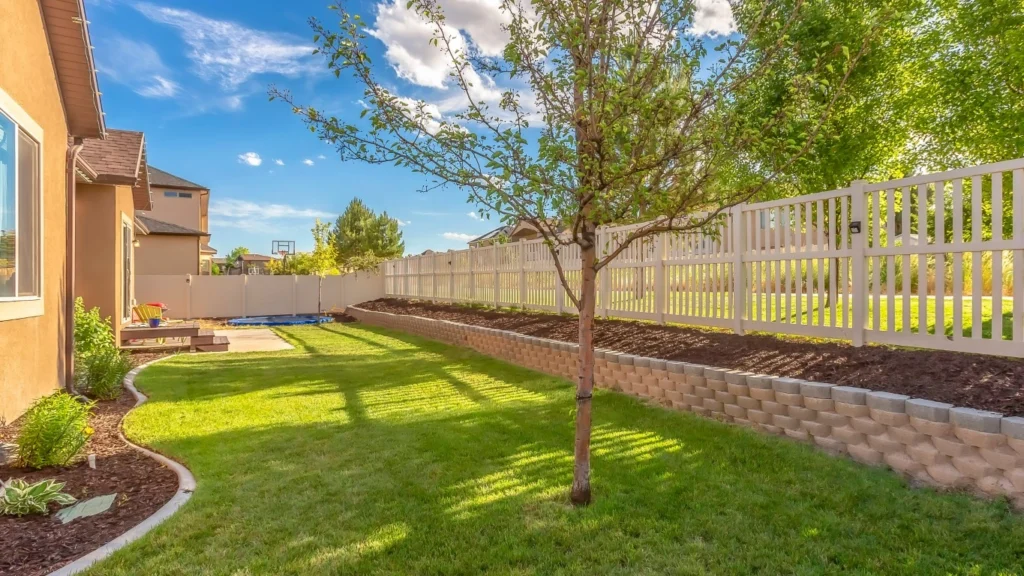
The best course of action is to eliminate vegetation from your fence line altogether. The goal is to create a defined border along the fence to make future maintenance easier and create a cleaner appearance.
Start by removing existing weeds and grass by either pulling them by the roots, diggin them out, or using other appropriate removal methods. Make sure you dispose of invasive weeds properly to prevent reseeding.
Install a Weed Barrier
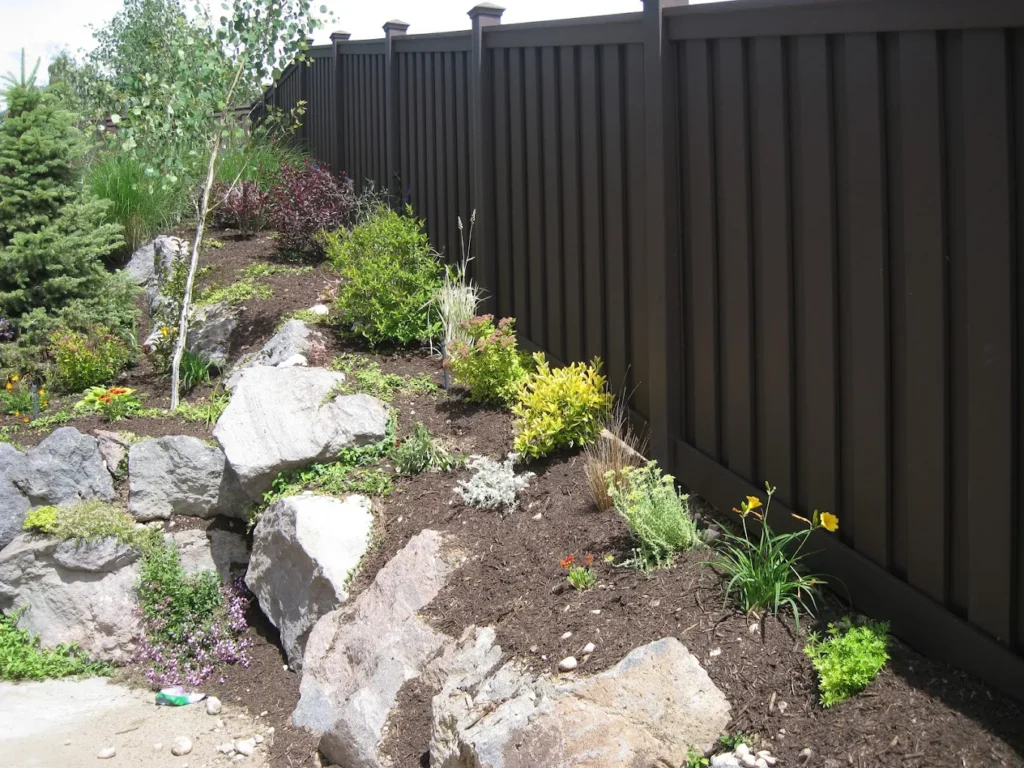
Once all the vegetation has been cleared out, it’s time to install a weed barrier that will prevent it from growing back. This typically means laying landscape fabric that blocks weeds from growing while still allowing water to drain. It works well beneath decorative rocks or mulch, too. Just make sure you follow the manufacturer’s instructions for proper installation and overlap techniques.
Add Ground Cover Materials
After the weed barrier has been placed, it’s time to add ground cover materials to keep the barrier in place and further discourage plant growth. Decorative rock, mulch, and gravel are all popular choices that provide good drainage and don’t require much maintenance. However, if you choose mulch, keep in mind that it retains moisture, so you should avoid piling it directly against wooden fence posts.
Keep Grass From Creeping Under the Fence
Weed barriers and ground cover aren’t always enough to keep grass from creeping under the fence. You may also need to install landscape edging to prevent the lawn from slowly spreading towards the fence line. It can be as simple as a plastic or metal strip that you stake into the ground, premade concrete pieces from a home improvement store, or even leftover bricks from when your home was built. These solutions help prevent grass from spreading and maintain a clear separation between your lawn and landscaping.
Stay Ahead With Regular Maintenance
Don’t forget to add these regular maintenance tasks to your lawn care routine:
- Weeding: If any small weeds manage to break through, remove them while they’re still young, before they have the chance to spread.
- Edging: You’ll also need to use an edger or string trimmer whenever you mow the lawn to keep the edges clean and prevent small patches of overgrowth from becoming larger problems.
- Refresh mulch or rock as needed: Every year, add new mulch or rock if it has been depleted. You should rake it, as well, to maintain even coverage.
- Inspect after heavy rain: After heavy rain, check the fence line for soil erosion and exposed weed barriers. Make sure you repair washed-out areas before weeds have the chance to grow.
Durable, Long-Lasting Fences from Bronco Fence
When you work with Bronco Fence, you can trust that your new fence will be durable, easy to maintain, and long-lasting. If you’re ready to upgrade your fence and make maintenance easier than ever, contact us to get started!